
Finished
 Spain
Spain1·0
Argentina
Peak 236.5 Gbps · min 0'
TB generated
100.5TB
Peak
236.5Gbps
Peak users
47,850
For 39 days we tracked in real time the mobile data consumption across the 16 stadiums in Mexico, the US, and Canada. Every goal, every selfie, every replay — turned into terabytes. This is everything the World Cup moved.



 Spain
SpainHow the network behaves stadium by stadium. Six industry voices, 2h 30m of live analysis.
VENUES · 16
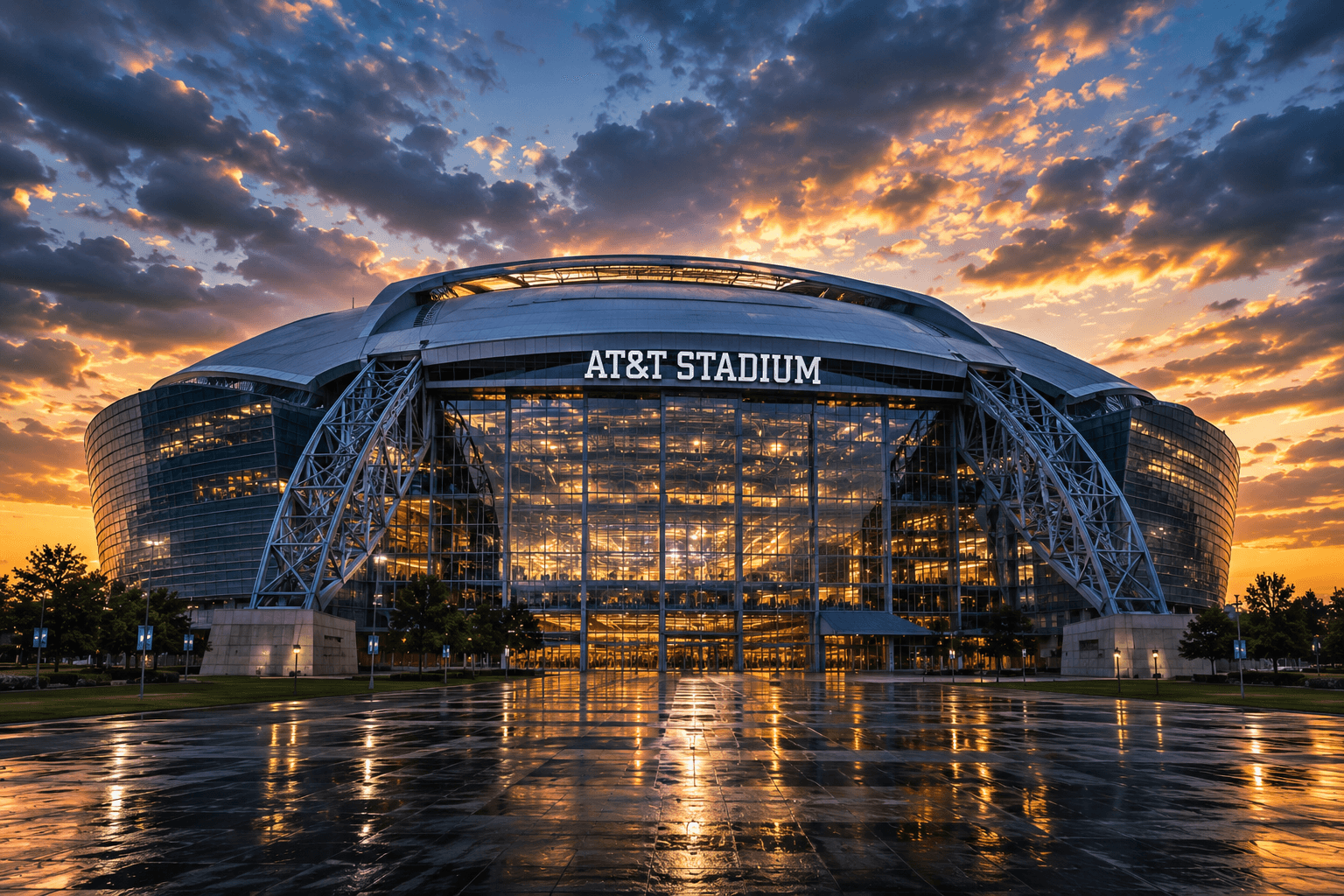

Kansas City · Estados Unidos
73,000
FIFA Capacity
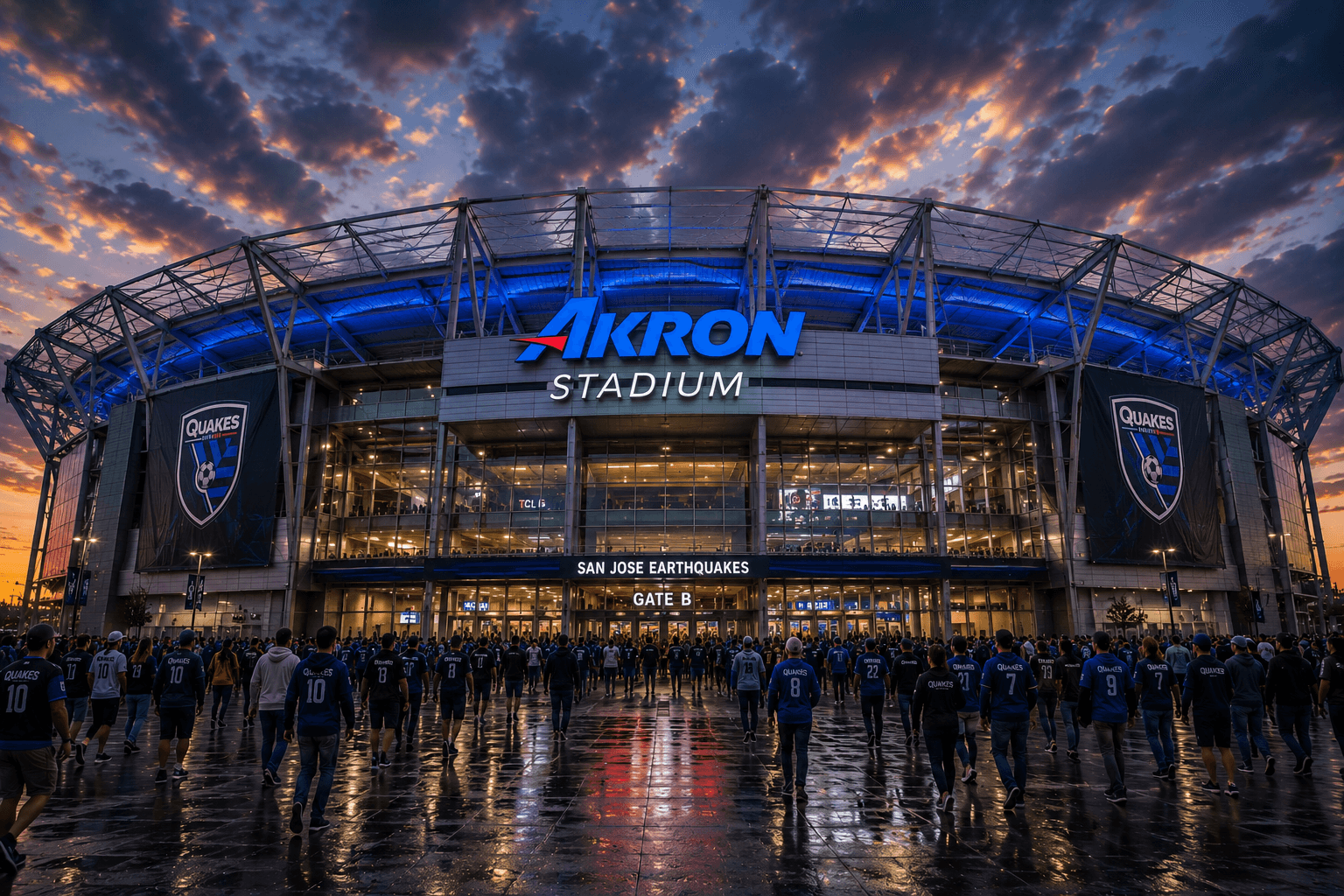
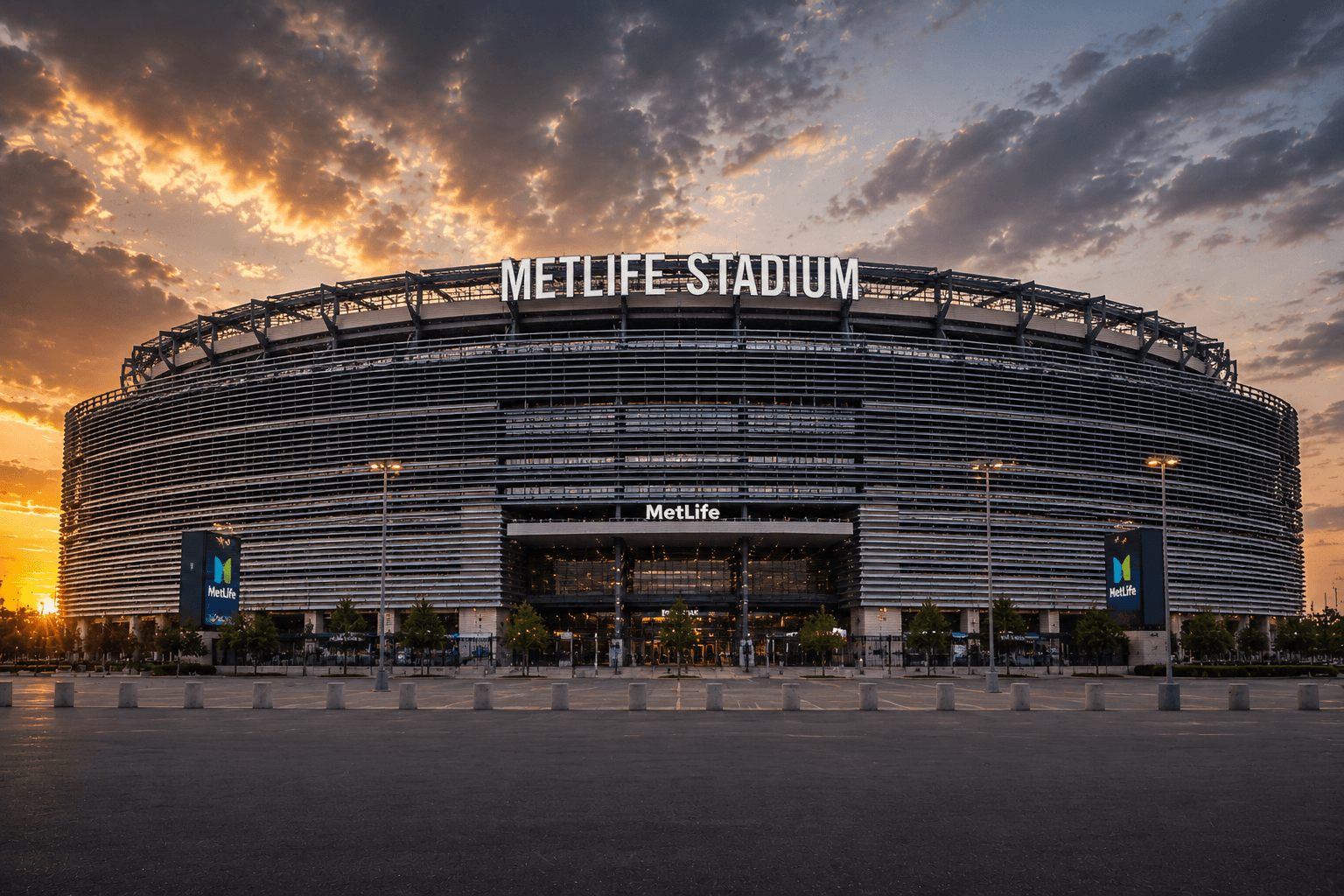
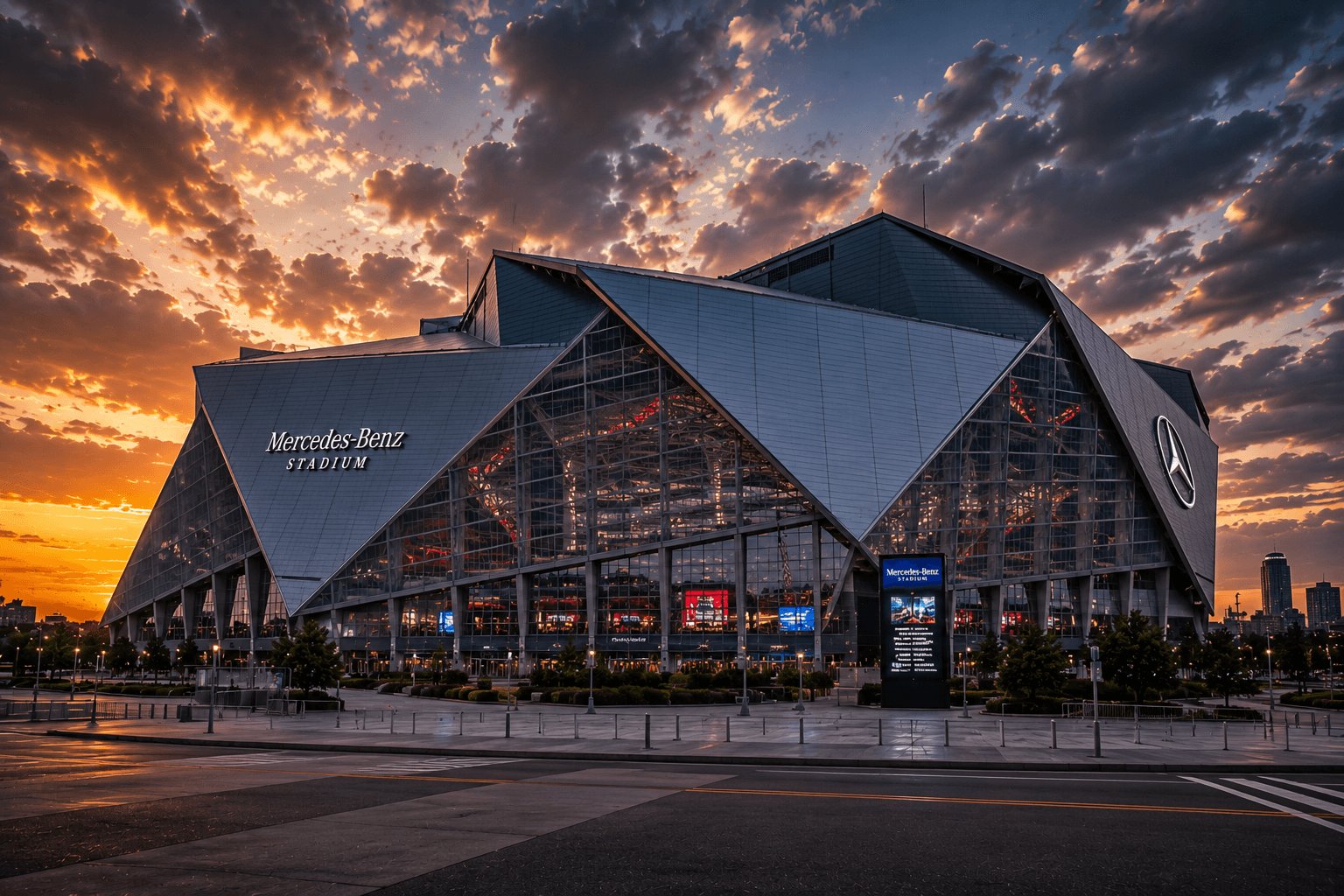

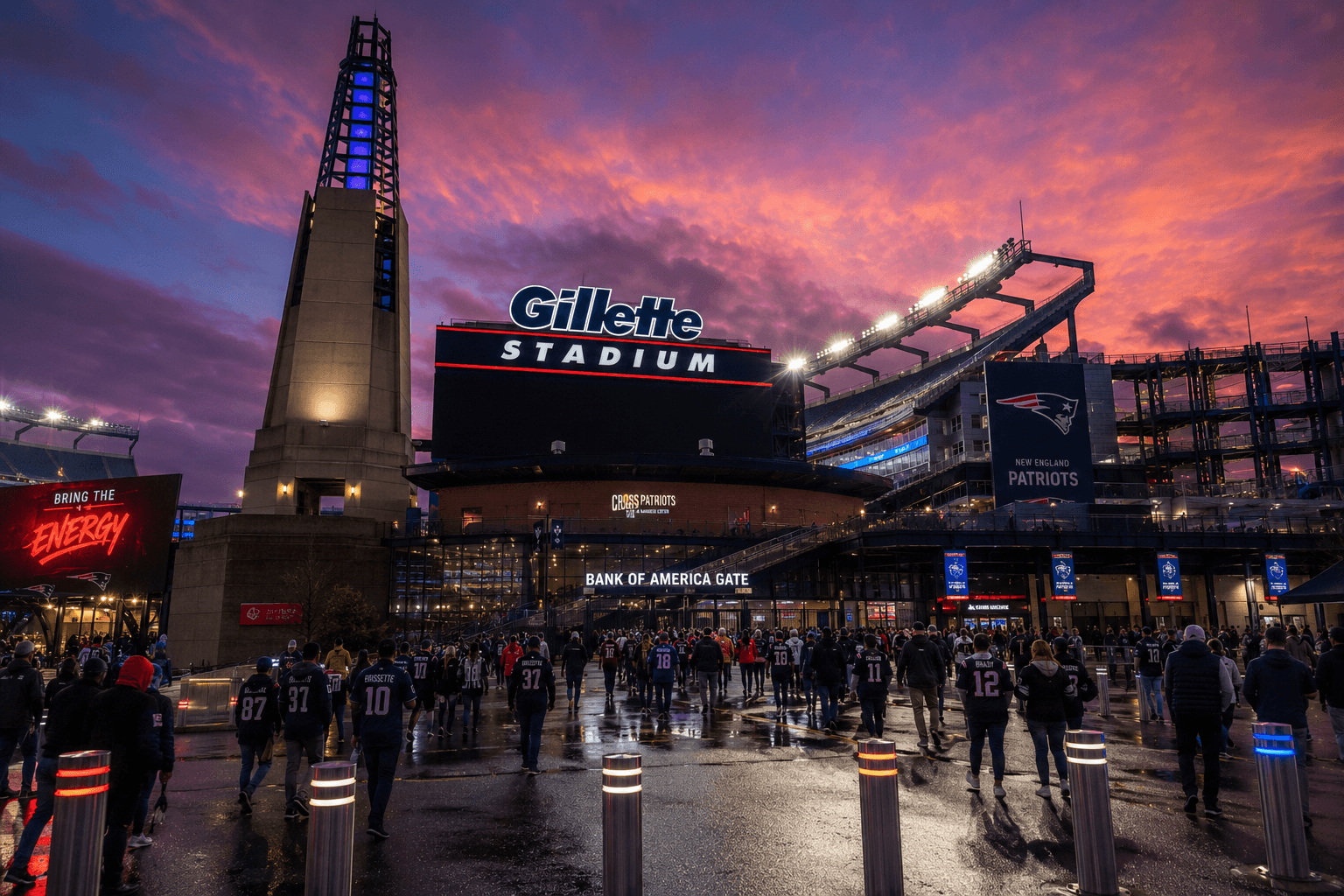
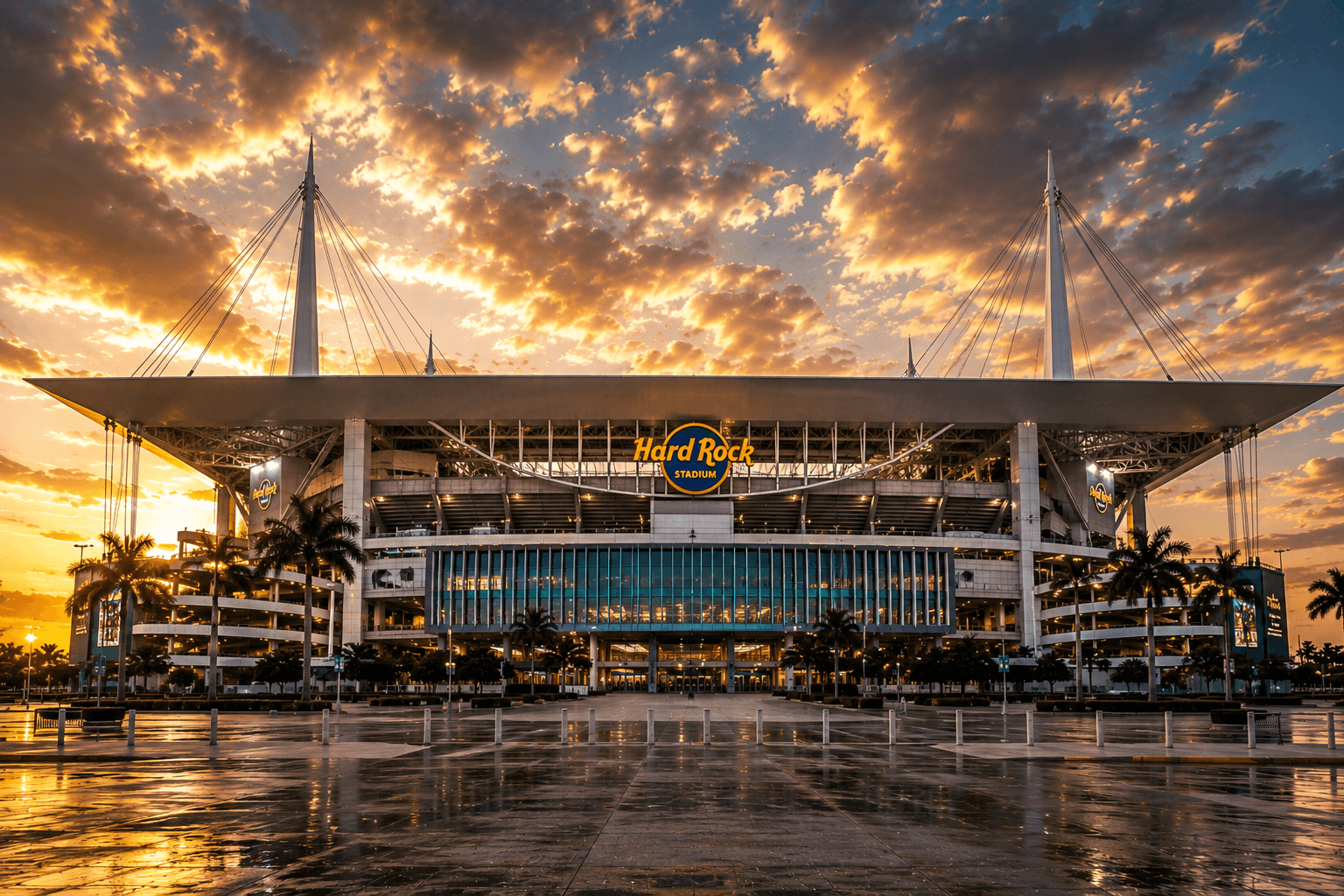
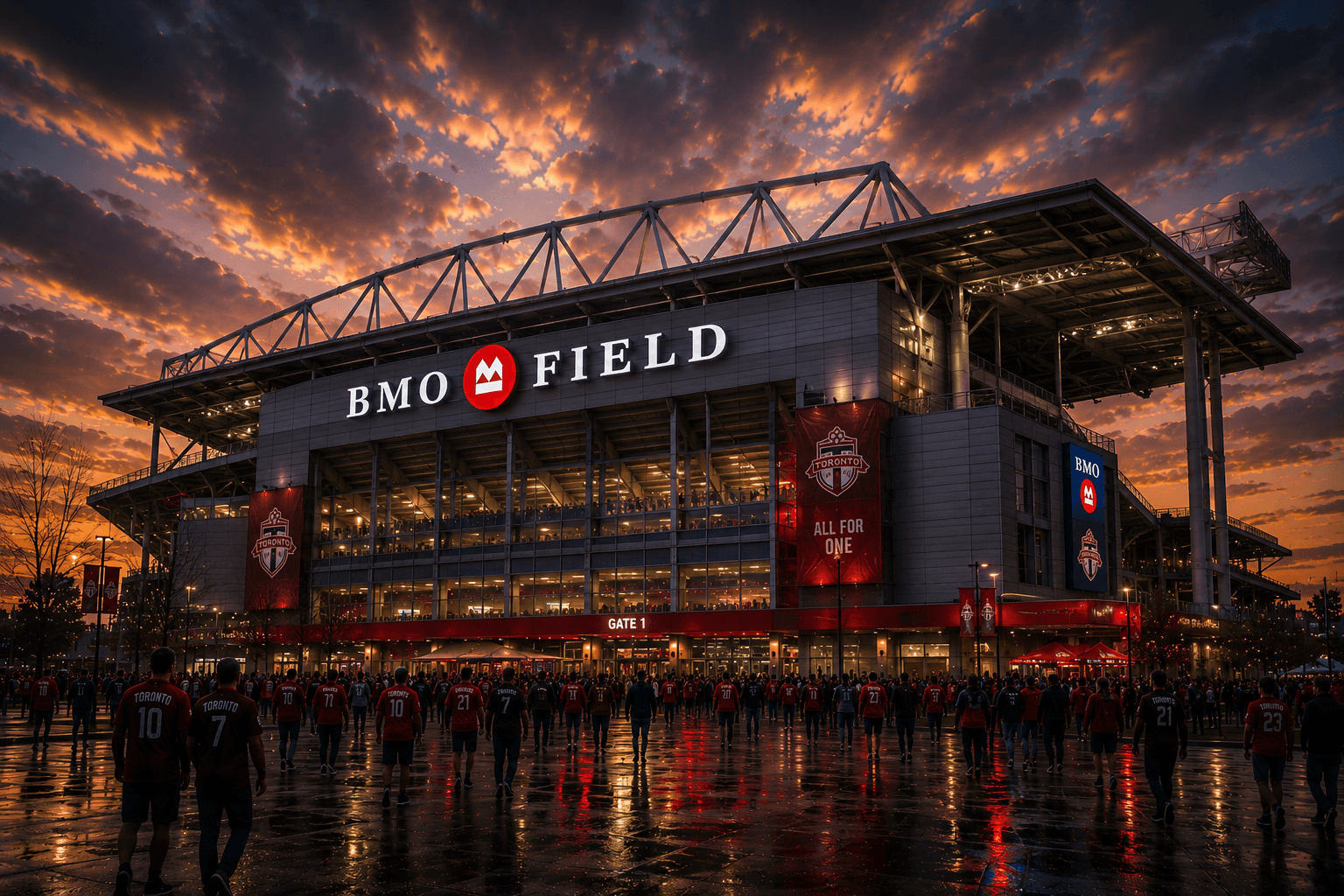

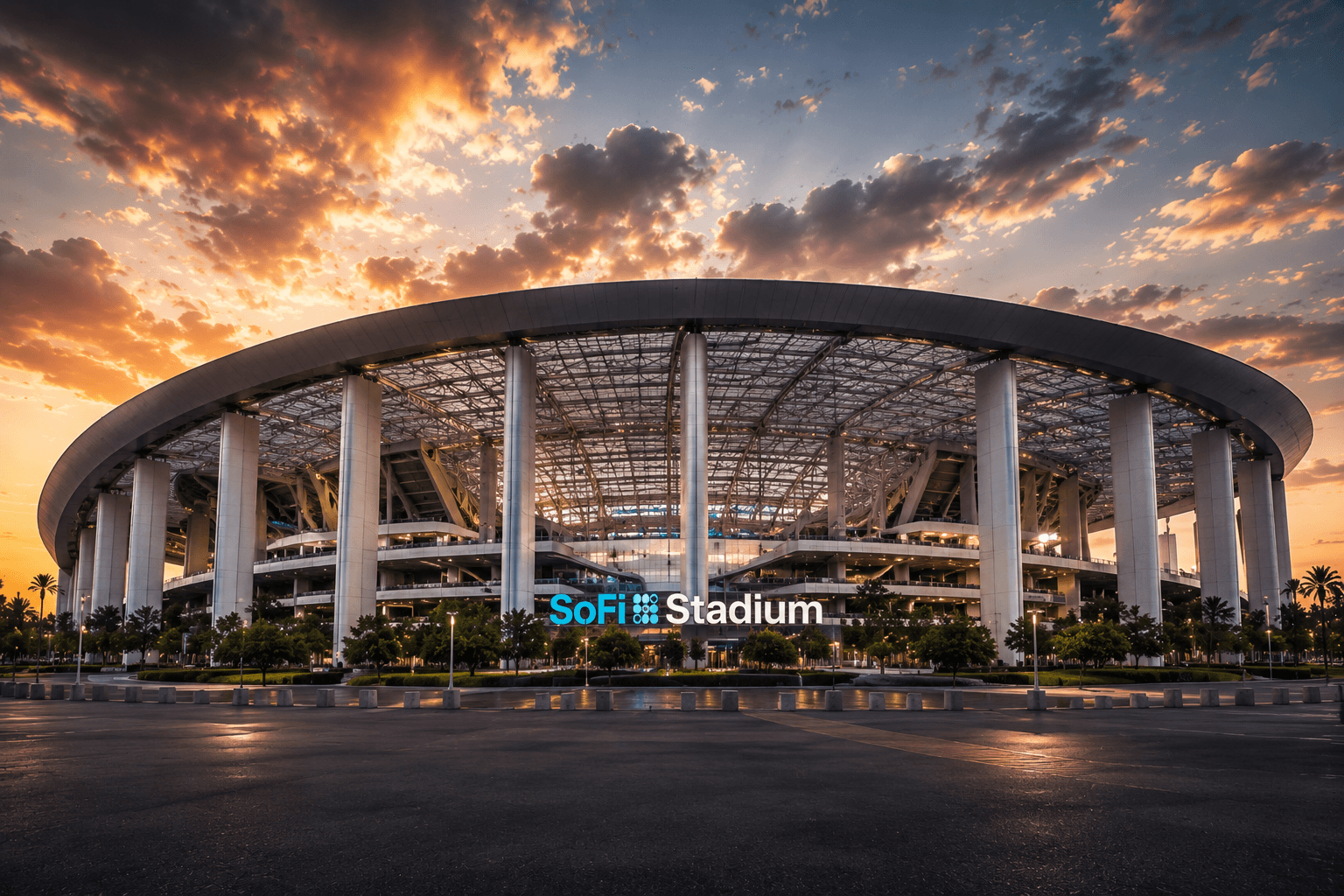
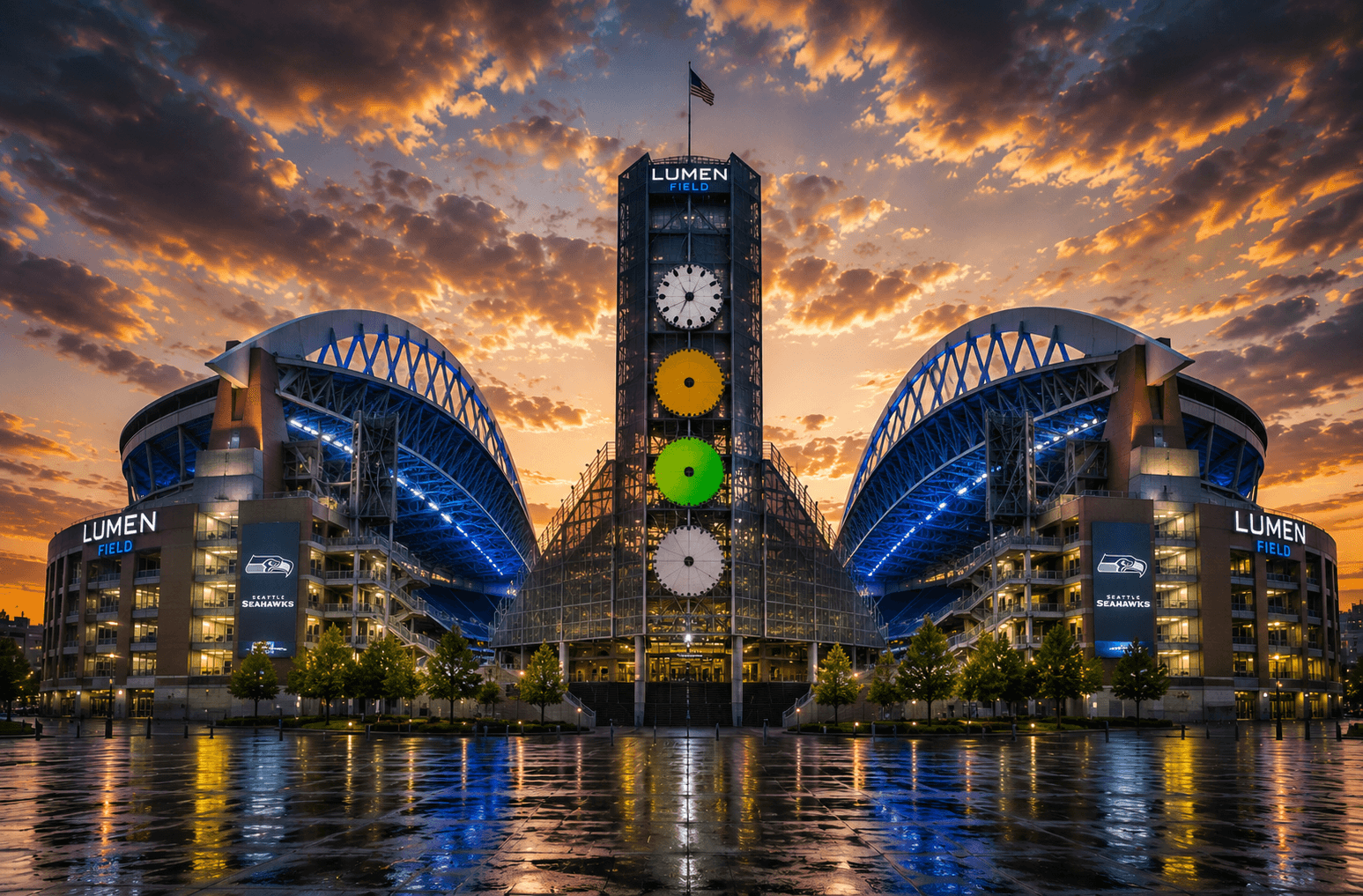
The FIFA World Cup is also experienced through the internet, particularly in countries where football is deeply embedded in the national culture. Argentina is one of them. Every time the national team takes the field, fixed broadband traffic in residential networks surges by around 30 per cent. This pattern has been observed in each of Argentina's three group-stage matches.
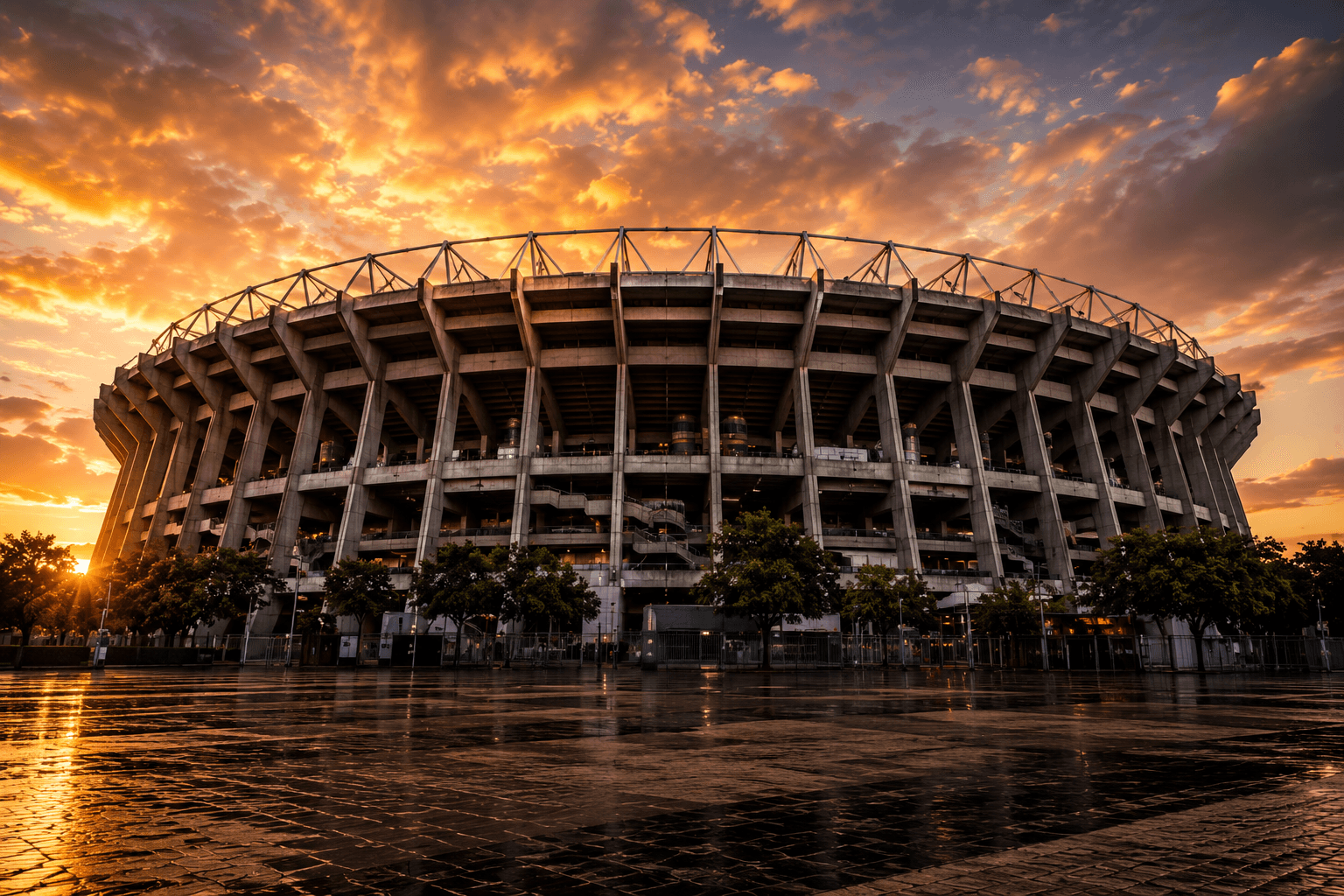
Since the official opening of the 2026 FIFA World Cup and up to the match between Uruguay and Saudi Arabia that concluded play on Monday, June 15, mobile traffic across the tournament's various venues has exceeded 600 terabytes. The opening match at Mexico City's Azteca Stadium has so far placed the greatest demand on mobile networks, as have the matches that captured the most public attention due to surprising results or goal-filled performances, such as Germany's 7-1 victory over Curaçao.
The 2026 FIFA World Cup will be remembered for many reasons. It will be the first tournament featuring 48 national teams, the first jointly hosted by three countries—Mexico, the United States, and Canada—and the largest World Cup ever organized. But it will also be the World Cup where 5G reaches its full potential: technology will stop being an invisible infrastructure layer and become a protagonist almost as relevant as the sporting spectacle itself. Not because technology was absent in previous tournaments, but because of the role artificial intelligence will play this time.
The 2026 World Cup is forcing host cities to rethink digital infrastructure, which can no longer be understood as coverage inside a venue alone…
If not for the historical context, one could almost argue that Mexico has become a model of spectrum management for the 2026 FIFA World Cup…
5G has spent years trapped in an uncomfortable contradiction. The mobile industry invested enormously while struggling to explain where the return would come from…
For years, private 5G was positioned as one of the most ambitious promises. The 2026 FIFA World Cup could partially change that global perception…